
Dr. Anjali Khanna
Dr. Anjali Khanna is a neuroscientist specializing in cognitive functions and behavioral science. With expertise earned through her education at the University of Hyderabad, she aims to translate her research findings for the public to appreciate the impact of neuroscience on daily life.

Dive into the latest breakthroughs in computer science! 💻 Explore groundbreaking technologies and their impact on various fields. Discover future potential. 🔍
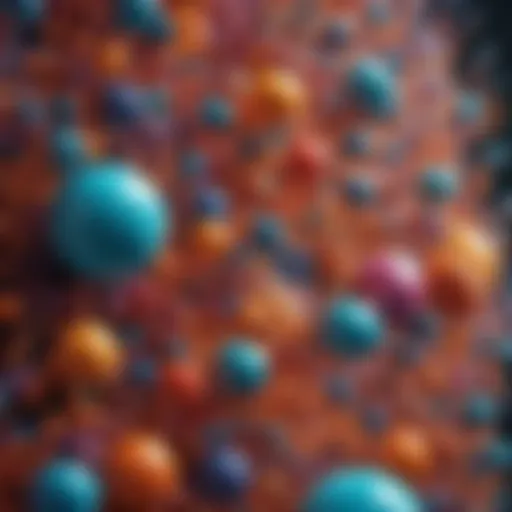
Dive into the intricate definition of life, exploring biological, philosophical, and cultural views. Understand living entities versus non-living matter. 🌱💭
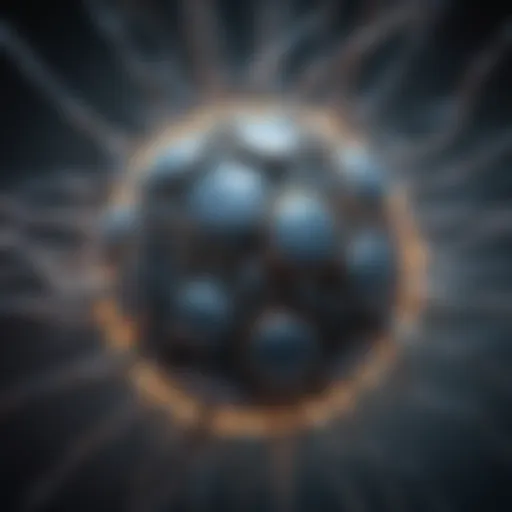
Explore the inner workings of neural networks 🧠. Understand their structure, algorithms, training methods, and diverse applications in AI technology today. 🤖


Explore the innovative Goodenough battery and its chemistry! ⚡ Discover its potential impact on energy storage, environment, and commercialization challenges. 🔋


Explore the multifaceted nature of depression in this article. Discover psychological, biological, and social factors influencing mental health. 🧠💔


Dive into equality theory exploring moral, social, and legal dimensions. Uncover its historical roots and how it shapes today's policies. ⚖️🌍


Explore the complex relationship between mathematics and time 🕰️. Discover models, historical insights, and real-world applications in this engaging article.


Explore the theory and applications of transformers in electrical engineering. Understand their principles, historical context, and future advancements. ⚡🔍
Discover the intricacies of mathematical problem-solving! 📚 Explore methodologies, theories, and their relevance in education and daily scenarios. 🤔✨

Explore the complex effects of depression on brain function, from neurotransmitters to cognitive changes. 🧠 This article sheds light on new research and treatment implications.

Explore the world of partial differential equations (PDEs) in this comprehensive guide. 🧮 Learn techniques, applications, and key methodologies vital for solving PDEs!


Explore the fascinating world of symmetries across mathematics, physics, and biology. Discover their classification, applications, and real-world impact. 🔍✨